
Restaurant Make-up Air Filter Cleaning
Refers to the process of cleaning or replacing the filters in a restaurant’s make-up air unit (MAU) — a system that brings in fresh, outside air to replace the air being exhausted from the kitchen, especially through exhaust hoods.
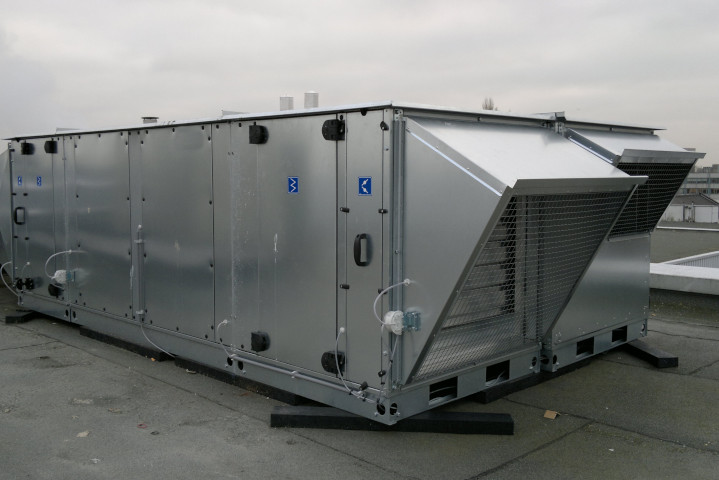
🔧 What Is a Make-up Air Unit?
In a commercial kitchen, exhaust systems pull out heat, smoke, grease, and odors. Without fresh air coming in to “make up” for the air going out, the kitchen can develop:
Negative air pressure (making doors hard to open or causing backdrafts)
Poor air quality and ventilation
Reduced HVAC efficiency
A Make-up Air Unit (MAU) balances this by supplying clean, tempered air into the space.
🧼 Why Filter Cleaning Is Important
Make-up air units contain filters that trap:
Dust
Pollen
Grease particles
Airborne contaminants
Over time, these filters get clogged and reduce airflow efficiency, affecting:
Kitchen air quality
Staff comfort
HVAC performance
Compliance with health and safety codes
✅ Cleaning Process
Shut Down the MAU safely before maintenance.
Remove Filters (usually metal mesh or pleated filters).
Clean or Replace filters:
Washable filters are cleaned with degreaser and warm water.
Disposable filters are replaced with new ones.
Inspect for Damage in ductwork or mechanical parts.
Reinstall Filters and turn the system back on.
🛠️ Frequency of Cleaning
Monthly in high-use kitchens (especially those dealing with greasy cooking).
Quarterly for lower-volume or well-ventilated kitchens.
Always follow manufacturer guidelines or local health/fire codes.
🚨 Neglecting Filter Cleaning Can Lead To:
Fire hazards (due to grease buildup)
Overworked HVAC systems
Poor ventilation, leading to heat and odor issues
Health code violations
Summary
Restaurant Make-up Air Filter Cleaning is a vital part of restaurant kitchen ventilation maintenance. It ensures that clean air is efficiently delivered into the cooking space, helping maintain indoor air quality, kitchen comfort, and compliance with safety standards.